

Views: 0 Author: Site Editor Publish Time: 2026-08-09 Origin: Site


In traditional internal combustion engine vehicles, the electrical network functions as a relatively simple low-voltage data and power distribution system. In modern electric vehicles, this system transforms into a mission-critical high-voltage infrastructure. This advanced infrastructure directly dictates vehicle safety, overall range, and sustained driving performance. Engineering and procurement teams now face a severe dual challenge in today's demanding market. They must manage the exponential complexity of new 400V to 800V architectures while strictly controlling overall vehicle weight. Furthermore, they need to guarantee absolute zero-fault reliability across the entire platform. This article provides a comprehensive technical evaluation framework for modern EV electrical systems. You will learn how to fully understand EV-specific architectural requirements and effectively mitigate hidden design risks. We also establish clear, actionable baseline criteria to help you strategically select a highly capable manufacturing partner for your next-generation fleet.
EV architectures require a bifurcation of harness systems: high-voltage (HV) lines for powertrains and low-voltage (LV) networks for ADAS and telematics.
Electromagnetic Interference (EMI) and Electromagnetic Compatibility (EMC) shielding are non-negotiable success criteria for HV harness implementation.
Transitioning to EV platforms introduces severe thermal management challenges, requiring specialized insulation materials (e.g., silicone, XLPE) over standard PVC.
Selecting an automotive wire harness manufacturer requires moving beyond cost-per-part to evaluating automated crimping verification, HV testing capabilities, and IATF 16949 compliance.
The global automotive industry is currently undergoing a massive electrical transformation. Traditional 12V and 48V systems are rapidly giving way to extreme high-voltage demands. Today, engineers routinely develop 400V and 800V platforms. Some emerging hypercar and heavy-duty architectures even push aggressively toward 1000V systems. This immense voltage escalation fundamentally alters every foundational rule of electrical system design. Pushing higher voltages requires significantly thicker cable gauges to handle the electrical load safely. It also demands much tighter physical tolerances across all terminal connections.
Engineers cannot ignore the strict implementation reality of physics. Transmitting massive amounts of electrical power requires heavier copper cables. However, adding physical weight directly and negatively impacts EV battery range. Design teams constantly fight this specific battle. They must balance necessary electrical capacity against strict vehicle mass limits. A poorly optimized Automotive Wire Harness can add dozens of unnecessary kilograms to a chassis. This excess weight degrades acceleration and reduces total driving distance.
Modern electric vehicles act as rolling supercomputers. They process terabytes of data every single hour. They rely heavily on sensitive sensors, LiDAR arrays, and Advanced Driver Assistance Systems (ADAS). These sensitive low-voltage components share tight physical packaging spaces next to high-amperage power cables. Routing them closely together creates severe engineering friction. If you do not isolate these networks properly, you risk catastrophic signal degradation. Proper spatial routing is essential for ensuring autonomous safety systems function correctly.
High-frequency switching inside modern EV inverters creates aggressive electromagnetic interference (EMI). Implementation reality shows us exactly how damaging this interference is. Unchecked EMI can disrupt critical safety sensors instantly. EMI and EMC shielding are no longer optional upgrades. They represent mandatory survival criteria for the vehicle. Common solution approaches include utilizing braided copper shields and wrapped aluminum foil. Engineers also specify specialized shielded connectors for all powertrain modules. These elements trap dangerous interference before it escapes into the broader electrical system.
High sustained electrical currents inevitably generate intense internal heat. Standard PVC insulation melts rapidly under these punishing conditions. You must evaluate better synthetic materials for long-term survival. Cross-linked polyolefin (XLPO) and specialized silicone elastomers serve as current industry standards. They balance extreme thermal resistance up to 200°C alongside vital mechanical flexibility. You need this specific flexibility during tight assembly plant installations. Below are highly recommended best practices for managing thermal and spatial constraints:
Separate high-voltage and low-voltage cable bundles by a minimum of 100mm wherever packaging allows.
Apply continuous braided shielding across all critical inverter-to-battery connections.
Specify electron-beam cross-linked XLPO insulation for components subjected to continuous high thermal loads.
Implement rigid cable channels in high-heat zones to prevent accidental contact against hot metal surfaces.
Safety protocols exist to protect technicians, factory workers, and emergency first responders. The automotive industry strictly mandates bright orange jacketing for all high-voltage visual identification. Furthermore, you must integrate a High Voltage Interlock Loop (HVIL). This low-voltage circuit acts as an essential mechanical safety net. If someone disconnects a high-voltage cable while active, the HVIL detects the physical break. It instantly cuts the main battery power, preventing lethal electrocution.
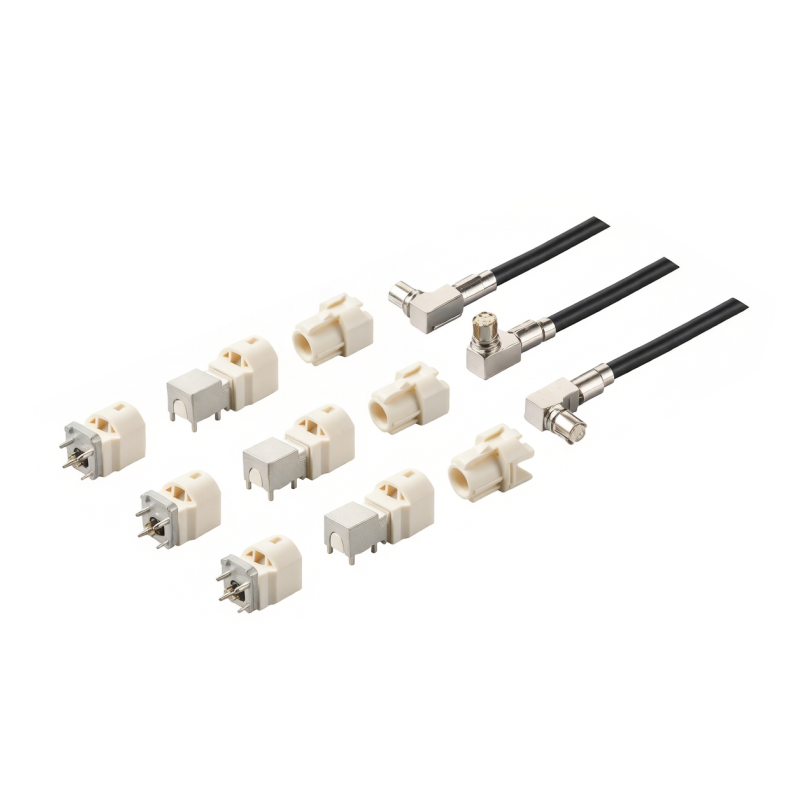
Automakers desperately want to shed vehicle weight to maximize battery range. The entire industry is currently shifting toward aluminum alloys to achieve this goal. Aluminum saves considerable weight compared to traditional copper materials. However, evidence shows it introduces entirely new manufacturing complexities. Aluminum possesses lower electrical conductivity than copper. To match necessary electrical performance, you must use much larger cross-sectional cable areas. Additionally, aluminum oxidizes extremely quickly when exposed to air. You must use specialized anti-corrosion crimping techniques to prevent dangerous galvanic corrosion at the terminal joints.
Traditional electrical system building relies heavily on manual human labor. This legacy approach introduces a major risk factor for modern EVs. High-voltage EV systems demand ultra-precise stripping and crimping procedures. Even microscopic manufacturing defects can trigger localized electrical resistance. This unnatural resistance quickly escalates into catastrophic thermal runaway. A reliable Wire Harness built for 800V loads cannot tolerate manual crimp inconsistencies.
Buyers must apply a very strict evaluation lens here. You must look for suppliers utilizing highly automated cutting and stripping machinery. Top-tier manufacturers employ automated crimp force monitors (CFM) on every machine press. They should also employ inline optical visual inspection tools. Automation completely removes human error from the most critical, high-risk connection points.
Relying on standard automotive wire for high-flexibility routing areas.
Ignoring galvanic corrosion risks when mating aluminum wire to copper terminals.
Selecting insulation materials based strictly on ambient temperatures rather than active load temperatures.
Electric vehicle motors produce entirely different vibration frequencies compared to traditional ICE engines. These high-frequency harmonic vibrations aggressively accelerate physical insulation degradation over time. You need incredibly robust routing mechanisms to prevent this failure. Rigid retention clips and protective corrugated tubing are absolutely mandatory. Allowing cables to chafe against sharp metal chassis edges is a common, often deadly design mistake.
Components mounted underneath the vehicle face brutally harsh environments. Battery-to-inverter connections demand strict environmental ingress protection. You must achieve IP67 or IP6K9K ratings for these specific zones. These strict ratings ensure component safety against high-pressure steam jets and microscopic dust intrusion. Without proper sealing, water intrusion will quickly cause catastrophic electrical short circuits.
You need a reliable baseline checklist for authoritative supplier evaluation. Strict compliance is entirely non-negotiable for platform safety. Engineering teams must map their designs against universally accepted frameworks. The table below outlines the most critical standards required for modern EV electrical systems.
Compliance Standard | Primary Scope | Focus Area for EV Evaluation |
|---|---|---|
ISO 26262 | Functional Safety | Ensuring electronic systems fail safely without causing harm to passengers. |
USCAR-2 | Performance Testing | Mechanical and electrical validation of automotive terminals and connectors. |
LV214 | Connector Validation | Crimp technology and long-term contact reliability for standard terminals. |
LV215 | High-Voltage Validation | Specific requirements for EV high-voltage contact systems and shielding continuity. |
IP6K9K | Ingress Protection | Validating complete resistance to high-pressure, high-temperature water jets. |
Securing basic component sourcing is no longer enough for modern automakers. You must reframe your entire evaluation process around supply chain resilience. View the chosen manufacturer as a deeply integrated technical partner. They must fundamentally understand the complex electrical nuances of electric vehicle dynamics. Evaluate them strictly on their engineering maturity rather than just unit pricing.
Your procurement team should utilize clear shortlisting criteria. Focus specifically on safety infrastructure and manufacturing repeatability. Demand comprehensive data transparency during the auditing process.
Component Traceability: Do they offer comprehensive component-level traceability? You need this precise tracking capability for safety-critical high-voltage lines during potential industry recalls.
Testing Infrastructure: Look for extensive, in-house laboratory capabilities. They must routinely conduct dielectric withstand testing (Hipot). Thermal shock chambers and continuous salt-spray validation are also vital for long-term reliability.
Quality Certifications: Demand strict, documented adherence to IATF 16949 and ISO 9001 frameworks. These core tools ensure repeatable manufacturing quality across millions of units.
Prototyping & Co-Design: Evaluate their internal engineering agility. They must provide rapid prototyping services. They should eagerly collaborate on topology optimization before you commit massive budgets to final factory tooling.
The modern electrical distribution system is no longer a commoditized afterthought. It operates directly as the central nervous system of the electric vehicle. It fundamentally dictates platform safety, electrical efficiency, and manufacturing scale. Balancing intense high-voltage requirements alongside severe weight limits remains incredibly difficult. You must completely abandon legacy ICE design models to succeed. Long-term success requires highly specialized, EV-centric engineering methodologies.
Your engineering and procurement teams should take immediate, strategic action. Audit your current supplier's high-voltage testing infrastructure today. Verify their automated crimping capabilities and environmental testing protocols. Request a detailed technical consultation or a customized quote. Ensure their manufacturing roadmap aligns perfectly with your emerging platform architecture.
A: Global safety standards mandate the color orange for strict visual identification. This bright coloring instantly alerts mechanics, factory workers, and emergency responders to the presence of lethal voltage levels. Systems operating above 60V DC utilize orange jacketing to prevent accidental and potentially fatal contact during routine maintenance or post-crash recovery efforts.
A: LV214 generally applies to standard automotive terminals and low-voltage connectors. It focuses strictly on mechanical stability and crimp reliability. In contrast, LV215 addresses the unique requirements for high-voltage contact systems in EVs. It dictates strict protocols for shielding continuity, severe temperature resistance, and high-voltage insulation integrity.
A: Yes, automakers increasingly use aluminum to reduce overall vehicle weight. However, it requires highly specialized manufacturing techniques. Aluminum has lower conductivity than copper, requiring thicker cables. It also demands advanced ultrasonic welding or specialized crimping methods to prevent galvanic corrosion and ensure stable electrical connections over time.
A: An HVIL is a dedicated low-voltage safety circuit that continuously monitors the physical integrity of high-voltage connections. If a connector is unplugged, becomes loose, or is severed during an accident, the HVIL detects the break instantly. It automatically signals the vehicle to shut down high-voltage power, protecting people from electrocution.


